



Architecting embedded, governed insights across distributed systems
As businesses analyze large volumes of data, building and maintaining their own IT infrastructure on-premises isn't always an option. Cloud-based analytics stores, processes, transmits, and accesses data using remote, web-based servers instead of local hardware, saving companies the cost of running their analytics operations in-house. It can take place in public, private, or hybrid environments, and even across multiple cloud providers, but for teams embedding analytics into their applications and workflows, the real challenge isn’t simply “moving to the cloud,” but integrating analytics into their current systems.
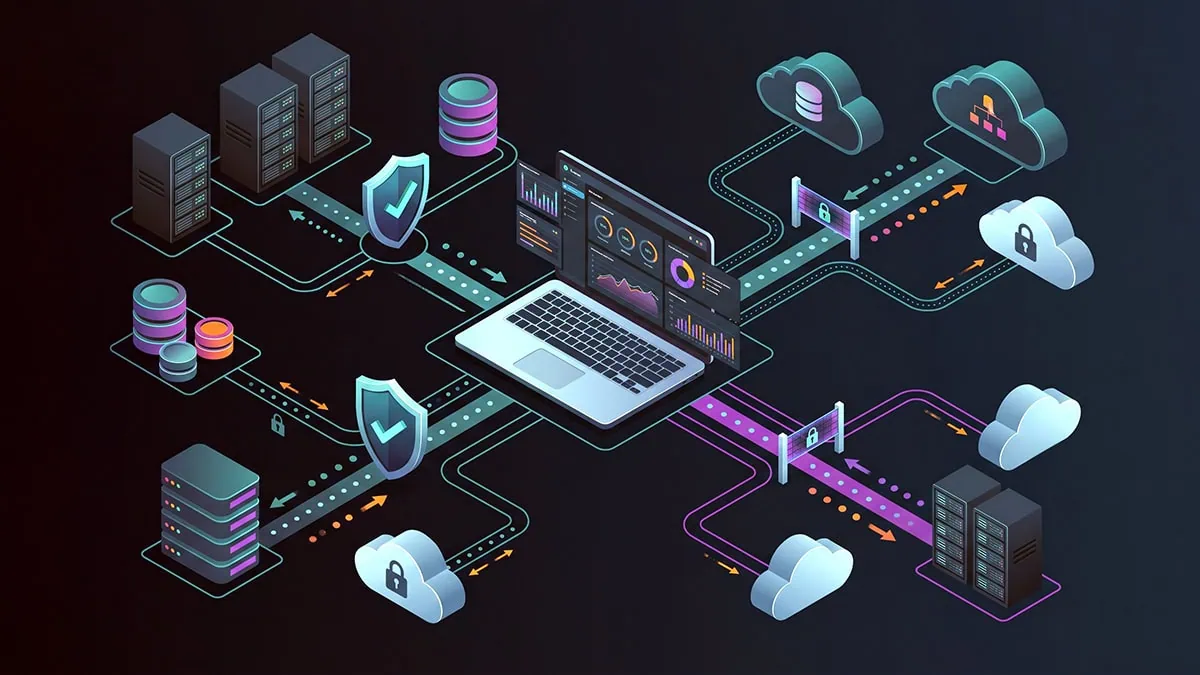
This article will examine how businesses can integrate cloud-based analytics into their existing architectures while maintaining control over data residency, performance, and user experience. We'll see that cloud-based analytics can operate wherever data lives — on-prem, in the cloud, or both — while still delivering governed, secure, and seamless insights within your applications. Then we'll discuss what cloud reporting is and show how cloud-based analytics can drive better reporting and operations.
Modern cloud-based analytics: Beyond simple hosting models
Also known as cloud-based analysis, cloud-based analytics refers to performing and managing daily analytics workflows in the cloud. Instead of operating and maintaining the hardware and software needed to manage a robust analytics environment, companies using cloud-based analytics leverage the IT infrastructure offered by cloud service providers (CSPs) to conduct their data analysis. Some benefits of implementing a cloud-based analytics model are:
- Cost efficiency. Cloud-based analytics providers use a pay-as-you-go pricing model, eliminating the costs associated with maintenance and new hardware investment.
- Scalability. Cloud-based service models let companies instantly toggle their resource usage up or down. This lets businesses process high volumes of data during periods of growth without paying for more than they need.
- Accessibility. Cloud-based environments let teams access company data from anywhere, facilitating better collaboration.
- Data integration. Cloud analytics architectures integrate company data from a wide range of sources, such as SaaS apps, CRM and ERP software, and SQL databases. The result is fewer data silos and better visibility into your data.
- Security. Cloud-based providers use leading-edge encryption methods to protect sensitive data and implement automated updates to accelerate vulnerability remediation. This gives businesses stronger data security, helping maintain regulatory compliance.
While vendor-managed SaaS BI offers many benefits for cloud-based analytics, it can lack the flexibility and seamless user experience that embedded analytics solutions provide. For example, Jaspersoft offers an architecture-agnostic deployment model that lets embedded analytics tools access data from any application or platform, as well as any cloud environment. This "where data lives" philosophy not only fosters greater data engagement but also delivers the actionable insights end users need in the exact context they need them. The result is greater productivity, faster product innovation, and a seamless user experience.
Architecting for multi-tenant embedded environments
SaaS platform architects have a great deal to gain from embedding analytics into their applications. They can make their products more helpful to end users, offer tiered analytics services to generate incremental revenue, and maintain their brand's look and feel through white-labeling capabilities. However, building embedded analytics into your existing architecture requires careful consideration of several factors including:
- Multi-tenant security. CSPs and SaaS BI providers use their multi-tenant architecture to service different organizations and end users with the same resources, so they must implement strict data isolation protocols to keep each client's data separate and secure. Some data isolation practices include: assigning each resource and data artifact a unique tenant ID, implementing row-level permissions and access controls, and containerization.
- Data residency. Some regulations, such as the GDPR, regulate the physical or geographical locations of data storage. A server's location can also have significant tax or state sovereignty implications, so providers must ensure that all storage locations align with the appropriate standards.
- An API-first approach. By establishing API connections first, embedded analytics tools offer providers a more flexible, customizable experience. This allows greater contextualization for companies with specialized workflows, making an API-first approach critical for OEM organizations.
By applying multi-tenant architecture security principles, aligning data residency with regulatory standards, and implementing an API-first approach, embedded analytics can offer SaaS solutions the security and flexibility they need to build in-depth analysis directly into their applications. This enables more consistent company branding, pixel-perfect documentation, and drives faster, better decisions.
Optimizing hybrid and multi-cloud data architectures
You can apply embedded analytics solutions to each architectural layer of public, private, and hybrid cloud environments. This way, they can function wherever data lives in the data pipeline, helping optimize cloud-based analytics operations. The different layers that embedded analytics tools can be applied to include:
- The storage layer, which collects data from disparate sources for later use
- The computation layer, where data delivers actionable insights via transformation and analysis
- The visualization layer, where the findings from the computation layer convey via dashboards, reports, and pixel-perfect documentation
Keeping analytics near the data offers the added advantage of reducing latency by reducing the distance your data must travel before analysis. This is especially beneficial in hybrid cloud deployment models, where some data is stored on-premise, some in the cloud, and some transfers between the two. These transfers can create latency challenges if not managed properly, and embedded analytics tools can overcome this by functioning where your data lives. Embedded analytics solutions can therefore optimize network performance while enabling faster data analysis, a key cloud-based delivery trend.
Ensuring seamless user experiences with white-label integration
While cloud-based analytics providers offer greater scalability, cost-effectiveness, and computing power, they can lack the customization needed to maintain your company's branding, creating an inconsistent UI/UX. Embedded analytics tools like Jaspersoft offer this level of customization, possessing white-label cloud analytics functionalities. These allow developers to create a uniform UI/UX with CSS and JavaScript frameworks, so that all dashboards, reports, and images can match the look and feel of the host application.
Governing distributed data without sacrificing performance
Since cloud environments often distribute data across a wide network of system components, it's important to implement governance and security protocols that effectively partition and safeguard sensitive data. By implementing security measures such as row-level access controls, analytics permissions, and encryption for data at rest and in transit, businesses can ensure compliance with data governance standards, even as they scale data analytics across multiple cloud regions and providers. The result is a strong data security posture that aligns with industry regulations, without sacrificing analytics performance.
Jaspersoft's embedded analytics and pixel-perfect reporting solution integrates with cloud-based analytics environments. Architecture-agnostic and built with an API-first approach, Jaspersoft is flexible enough to integrate with any cloud environment. Teams can leverage their data to create custom reports that deliver precise documentation and dashboard actionable insights to give your organization a competitive edge — whether the data lives on-prem or in the cloud. To see how Jaspersoft can fit into your cloud environment, check out our embedded analytics solutions today.
Ready to give it a spin?
Start your 30-day trial now.

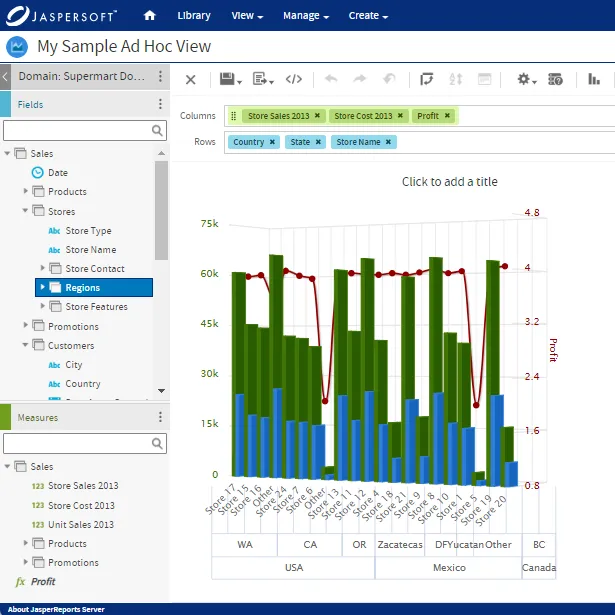
Try Jaspersoft - Free Trial
Efficiently design, embed, and distribute reports and dashboards at scale with Jaspersoft.
Build versus Buy: An In-depth Guide
This whitepaper provides a framework for the decision-making process and critical trade-offs between building or buying an embedded BI and reporting tool.
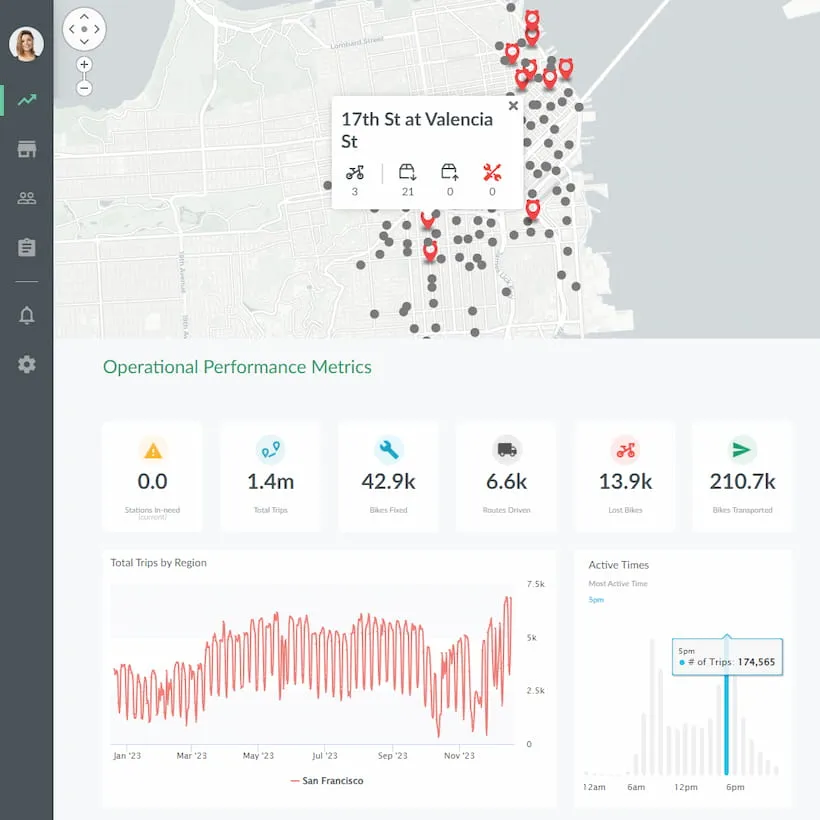
Interactive demo: Bikeshare Embedded BI, supported by Jaspersoft
Experience how to turn data into valuable insights that you and your customers can use to make better decisions.
