



Reporting in the transportation and logistics industry

The logistics and transportation sector has experienced unprecedented shifts and disruptions over the past decade. In a global economy, supply chains are becoming more and more complex . In the midst of these complexities, companies still have to deliver a rich, customer-centric transit experience or risk being left in the dust. Reliability and resilience are the names of the game, and there’s no way around it.
In this hectic, quickly changing environment, simple, unsophisticated reporting simply won’t cut it. Drivers, dispatchers, and other stakeholders in your logistics chain want customizable, flexible, embedded reportin. They want power in their hands. The question now becomes: How does reporting drive value and optimum productivity?
Let's take a more concise look at the reporting needs of a logistics and transportation company so decision-makers know exactly which boxes to check as they leverage their data to remain competitive and profitable.
Real-time visibility and tracking
This boils down to three indispensable aspects.
Shipment tracking
From a shipment tracking perspective, reporting allows carriers to stay on top of shipments throughout their mapped journey across every imaginable mode, from road to rail to sea to air. With to-the-minute insights on shipment location, status, and estimated time of arrival, decision makers can respond proactively to delays while keeping customers fully informed.
Fleet tracking
Here, reporting provides the capability to closely monitor a company’s entire transportation fleet, in real time.
From fuel consumption, driver behavior, and maintenance needs, closely monitoring all of these factors helps reduce the chances of overspending on fuel and take a more proactive maintenance approach to optimize valuable resources and ROI.
Exception management
This isn’t just about real-time alerts on delays — it’s also about immediate reporting on more peculiar exceptions such as missed pickups and damaged goods. It’s only through up-to-the-minute exception alerts that fleet managers can instigate quick corrective actions. Then, they can pinpoint recurrent issues and formulate future-proof prevention strategies accordingly.
Performance monitoring and analysis
For most logistics companies, reporting is as much about real-time visibility as it is about performance tracking.
Key performance indicators
With expected delivery times worldwide approaching the sub-24-hour margin , there’s really no room for guesswork or error. That’s why it’s crucial to have the reporting ability to track and analyze key metrics such as on-time delivery rates, fuel-efficiency, cost per mile, transit times, and customer satisfaction — all in real-time.
Route optimization
The equation of route optimization is quite simple: Drive the fewest miles possible per delivery. The end goal? Reduce expenses with fewer driver hours and considerable fuel savings.
All of that is possible through embedded reporting. A driver can view data collated from different sources for a more complete picture of the situation, all in real-time. They are then able to accurately analyze routes for maximum time, cost, and efficiency gains.
Driver performance
In the course of their tiring and complex delivery routines, even the best drivers might become a little complacent. They’re human, after all. Real-time monitoring of driver behavior — including braking patterns, speed, and adherence to schedules — helps ensure drivers operate safely while keeping fuel-efficiency in check.
Operations efficiency and cost management
Combined, these reporting aspects are key drivers of profitability and competitiveness.
Cost analysis
In the transportation realm, things like labor, fuel, tolls, and maintenance are all expected costs. Sometimes, however, they might hike due to unexpected occurrences occasioned by delays, diversions, driver antics, or changing customer demands.
Real-time reporting and analytic tools provide the opportunity to uncover hidden inefficiencies — from excessive fuel consumption to identifying trends in maintenance costs — as they occur. That way, business leaders are able to remedy the situation before it becomes irreparable, all while keeping operational expenditures at a minimum.
Efficiency reporting
What if decision-makers could get both bird’s-eye and drilled-down views of their entire operations portfolio so they were better able to identify bottlenecks and reduce delays? That’s precisely what efficiency reporting tools offer.
Customer satisfaction and retention
It takes more than just a dedicated driver to satisfy and retain a customer long term. The following factors play a crucial role.
Delivery performance
Nothing disappoints customers more than belated or inaccurate deliveries. Getting it right the first time is possible, but it requires ensuring key information shows up on the right reports every time. This also helps greatly with compliance.
Communication Tools
When integrated with reporting systems, communication tools can capably bridge the gap between dispatch, driver, and customer so they’re all reading from the same page. Real-time texts, emails, and voice calls help ensure deliveries happen right and on time — every single time.
That said, very few communication tools actually incorporate a customers’ view. The outcome? Highly frustrated users who might contemplate switching providers in the event of the slightest delay or issue. Here’s where embedded reporting comes in. It provides a single, easy-to-digest dashboard for customers to check for delivery status — a prerequisite for providing a rich, premium experience.
Integration and data management
A logistics ecosystem is only as functional as the integration and reporting fundamentals it’s built on.
Data integration
The best reporting tools can seamlessly integrate into existing logistics toolkits and complement them wholly — think ERP, telematics software, and TMS. The outcome is a unified, do-it-all platform that provides a comprehensive, unfiltered view of operations for driving customer satisfaction and optimum operational efficiency.
Data Visualization
With easy-to-digest charts, dashboards, and graphs only a tap of a screen away, key decision-makers in the logistics ecosystem can quickly access trends and situations so they’re able to make more accurate decisions on the fly. Better yet, the insights uncovered through data visualizations can be leveraged to power business reinvention.
Customizable reporting
Sure, basic reporting gets the job done. But customizable reporting? With this capability, decision-makers get to block out the noise and really focus on the efficiency and customer experience metrics that matter the most. Put differently, it’s the ability to generate reports tailored to specific logistical needs, customer preferences, and unfolding situations — down to the smallest detail.
Your reporting needs end with Jaspersoft
The logistics world is so fast-paced and quickly evolving that it’s important to have a competitive advantage by having a connected view of your systems and operations. Get a free trial of Jaspersoft’s reporting and embedded analytics capabilities and see how our platform can help transform your data into actionable insights for optimum fleet performance and a richer customer experience overall.
Try Jaspersoft for free for 30 days
Efficiently design, embed, and distribute reports and dashboards at scale with Jaspersoft.
Related Resources
Unlocking the Power of Jaspersoft Dashboards
This webinar explores Jaspersoft's rich feature set and functionalities, including data visualization, customization, and real-time analytics, to help you maximize your dashboard's potential for data-driven decisions and improved workflow.

Ready to give it a spin?
Start your 30-day trial now.

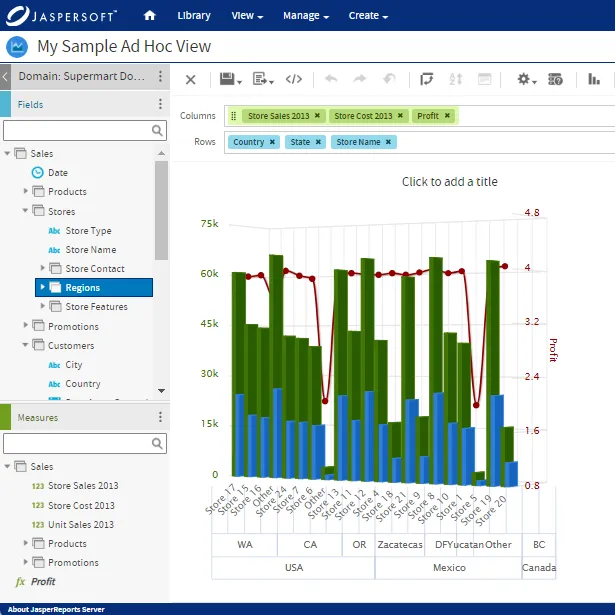
Try Jaspersoft - Free Trial
Efficiently design, embed, and distribute reports and dashboards at scale with Jaspersoft.
Build versus Buy: An In-depth Guide
This whitepaper provides a framework for the decision-making process and critical trade-offs between building or buying an embedded BI and reporting tool.
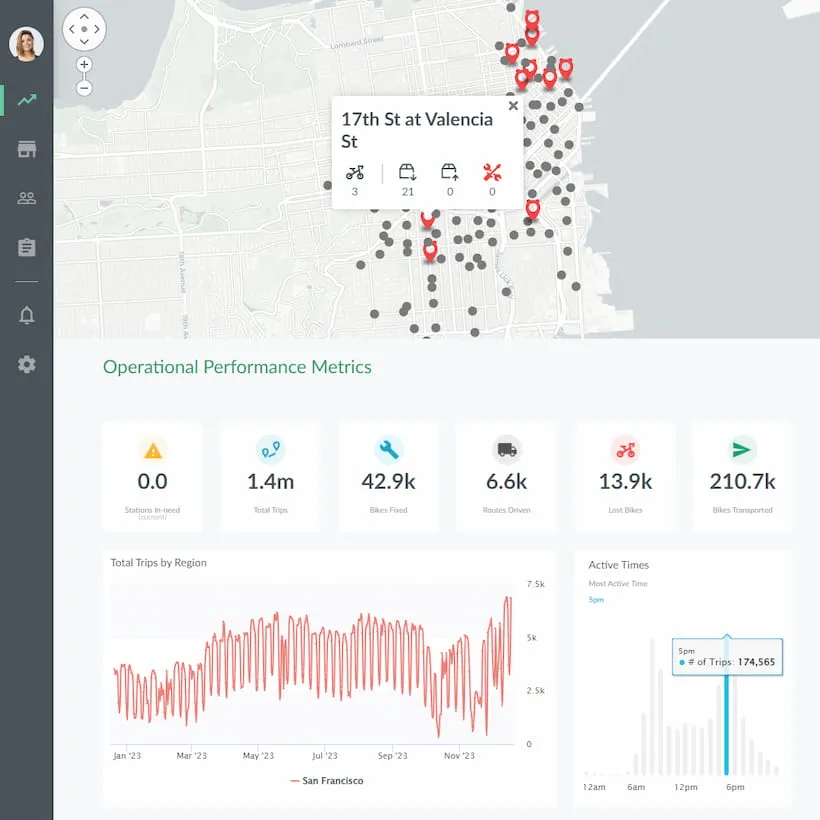
Interactive demo: Bikeshare Embedded BI, supported by Jaspersoft
Experience how to turn data into valuable insights that you and your customers can use to make better decisions.
